
Learn How to Avoid Sensitivity After Teeth Whitening
January 26, 2026
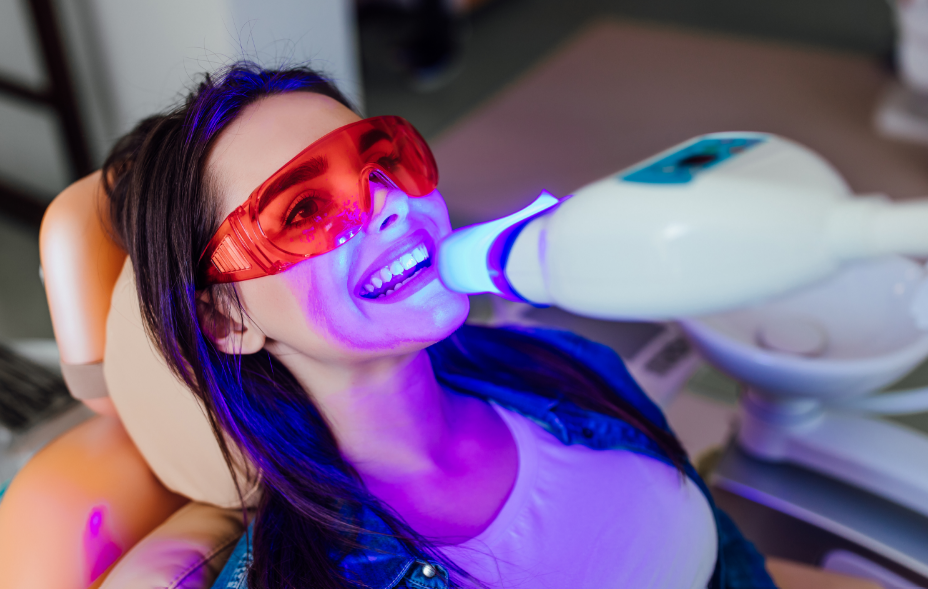
Teeth whitening is one of the fastest ways to boost confidence in your smile, but concerns about sensitivity can make some people hesitate. The good news is that sensitivity after whitening is usually temporary and, in many cases, avoidable. With the right approach before and after treatment, you can enjoy a brighter smile without discomfort.
Why Whitening Can Cause Sensitivity
Tooth sensitivity after whitening typically happens when whitening agents pass through the enamel and irritate the nerves inside the tooth. This is more likely if enamel is already weakened or if whitening products are overused. Gum irritation, existing cavities, or exposed roots can also increase sensitivity, especially when whitening is done without professional guidance.
Choose Professional Whitening When Possible
One of the biggest misconceptions about teeth whitening is that all treatments cause sensitivity. In reality, professional whitening is designed to minimize discomfort. Dentists use carefully controlled concentrations of whitening agents and protective techniques that shield gums and enamel. Because treatment is customized to your teeth, professional whitening often causes little to no sensitivity compared to over-the-counter kits or DIY methods.
Use a Desensitizing Toothpaste
Switching to a toothpaste made for sensitive teeth a few weeks before whitening can help block pain signals from reaching the tooth’s nerve. These toothpastes strengthen enamel and reduce sensitivity over time. Continuing to use them after whitening can also help calm any lingering discomfort and support long-term comfort.
Avoid Extreme Temperatures After Whitening
After whitening, teeth may be more reactive to hot and cold foods for a short period. Avoid very hot coffee, iced drinks, or frozen treats for at least 24 to 48 hours. Sticking to lukewarm foods and beverages gives your teeth time to recover and reduces the chance of triggering sensitivity.
Be Gentle With Your Oral Care Routine
Brushing too aggressively can worsen sensitivity, especially after whitening. Use a soft-bristled toothbrush and gentle pressure to avoid wearing down enamel. Brushing twice a day and flossing regularly are still essential, but being gentle helps protect teeth when they are most vulnerable.
Skip Acidic and Staining Foods
Acidic foods and drinks like citrus fruits, soda, and wine can irritate teeth after whitening and contribute to sensitivity. They may also increase the risk of staining while enamel is more porous. Choosing mild, non-acidic foods during the first few days after whitening can make a noticeable difference in comfort.
Don’t Overdo Whitening Treatments
More is not always better when it comes to whitening. Overusing whitening products or repeating treatments too often can weaken enamel and increase sensitivity. Following recommended guidelines and spacing out treatments helps keep teeth strong and comfortable while still maintaining a bright smile.
With the right preparation and aftercare, tooth sensitivity doesn’t have to stand in the way of a whiter smile.
About the Practice
Dr. Philipps and Dr. Ramos provide comprehensive dental care with a focus on preventive, cosmetic, and restorative dentistry. Our practice emphasizes patient comfort, education, and individualized treatment plans designed to protect long-term oral health. By offering professional teeth whitening and personalized guidance, we help patients achieve brighter smiles while minimizing sensitivity and maintaining strong, healthy teeth.
Call us at (432) 570-4433 or request an appointment online.
No Comments
No comments yet.
RSS feed for comments on this post.
Sorry, the comment form is closed at this time.