
TMJ Treatment – Midland, TX
How You Can Stop Chronic Jaw Pain
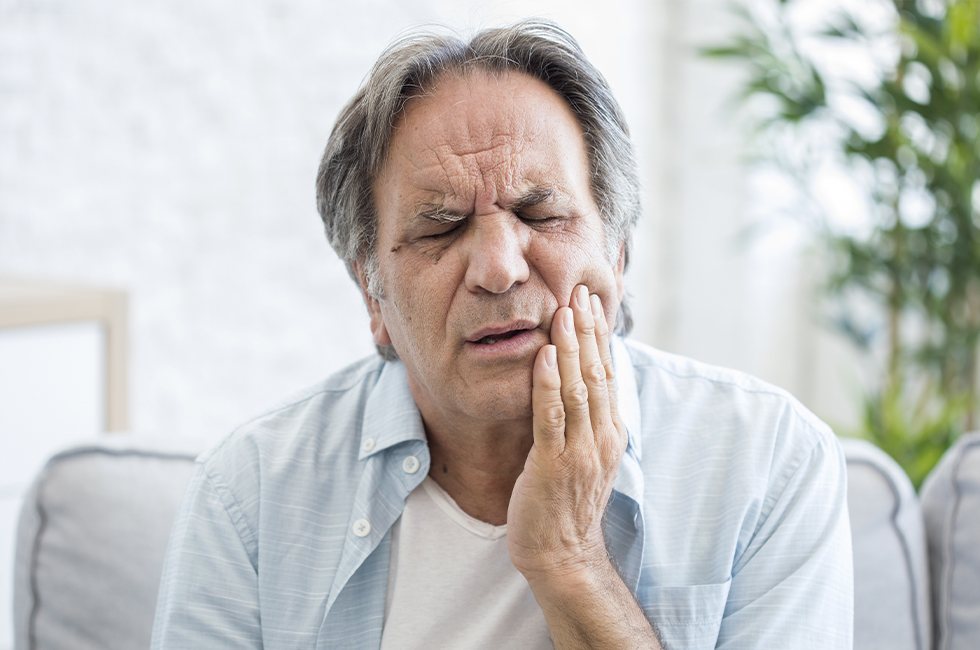
When the bite is uneven, it may not seem like a big deal at first. The problem with having an uneven bite is that it puts two major oral structures at risk: your tooth enamel and your jaw’s joints. These joints, also known as the temporomandibular joints (TMJs), can experience undue stress over time due to your bite or smile being uneven. In order to avoid the complications that come with TMJ disorder or TMD, you can get treatment right here in Dr. Philipps’ dental office! To end chronic jaw pain and wake up headache free, give our dental office a call for TMJ treatment in Midland, TX!
Why Choose Laura Philipps, DMD for TMJ Treatment?
- Custom-Made Orthotic Oral Appliances Available
- Dedicated to Creating Lasting Relationships with Patients
- Appointments are Reserved Just for You
What Are the Temporomandibular Joints?
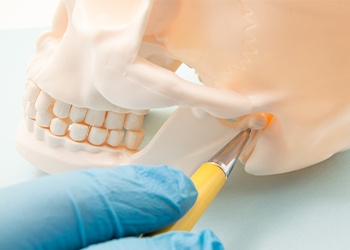
When we are talking about the TMJs, we’re talking about the joints that connect the mandible (jaw) to the skull. These joints are responsible for the many complex movements that your jaw makes, whether you’re chewing food, yawning, laughing, speaking, or moving your jaw in any way. When these joints experience disproportionate amounts of stress, they can become inflamed and sore. Without proper treatment, they can even lead to chronic headaches or migraines, earaches, lockjaw, even permanent damage to your joints, and pain in the upper back, neck, and shoulder. Thankfully, Dr. Philipps can provide the treatment necessary to counter your symptoms and prevent complications.
Do I Have Symptoms for TMJ Disorder?

There are many symptoms of TMJ disorder to keep in mind. The most common symptoms to watch out for are pain or tenderness in the jaw, especially following a jaw injury. Those who experience jaw injuries or suffer from bruxism (chronic teeth grinding and clenching) are at higher risk of developing a TMJ disorder. Other symptoms to keep in mind include:
- Pain in one or both of the TMJs
- Aching pain around or in the ear
- Difficulty chewing food
- Pain while chewing food
- Aching facial pain
- Difficulty opening or closing the jaw, a condition known as lockjaw
What Does Treatment Entail?

When you come into our dental office for treatment, Dr. Philipps makes sure to perform a very detailed examination of your jaw in order to confirm that TMJ disorder is present. After paying close attention to your bite and how it comes together, she’ll go through your treatment options. This could include equilibration or occlusal adjustments to your teeth, especially if you have older restorations that are making your bite uneven. Treatment may also include an orthotic occlusal splint, which keeps your jaw in a more aligned position and relieve and remove muscle pain felt in the jaw. Many people notice positive results after just a few days of use!
TMJ Treatment FAQs
Can a Bad Bite Really Cause Headaches and Neck Pain?
Though it might sound surprising, a misaligned bite can cause aches and pain that extend beyond the mouth. The jaw muscles are part of a larger interconnected system that includes the muscles of the temples, neck, and upper shoulders. When your bite is misaligned, your jaw muscles have to work harder and less efficiently with every movement, and that chronic strain radiates outward, producing tension headaches, neck and upper back pain, and other uncomfortable symptoms. In many cases, addressing a misaligned bite often brings relief not just to jaw pain, but to headaches and neck tension that seemed completely unrelated!
Will TMJ Treatment Be Painful?
Most patients are relieved to find that TMJ treatment is quite comfortable. Wearing an occlusal splint does involve a slight adjustment period, and it may feel a little bulky or unusual at first. However, the appliance itself doesn't cause pain, and most people adapt to it within a week or two. And in the case of equilibration, since only the enamel of certain teeth is being gently reshaped, no anesthesia is typically required, and patients usually don't experience soreness or sensitivity afterward. In fact, many people notice a reduction in jaw tension and headache frequency relatively quickly after beginning treatment! If your symptoms do not begin resolving after your treatment, let our team know.
How Long Does TMJ Treatment Take?
The timeline for TMJ treatment in Midland varies from patient to patient, depending on the severity of the disorder, how long symptoms have been present, and which treatments are being used. That said, many patients experience noticeable relief within a few weeks of starting occlusal splint therapy, while others require several months of consistent wear before symptoms fully resolve. On the other hand, equilibration produces lasting changes to the bite that typically don't need to be repeated. We’ll be sure to monitor your progress over time and adjust your treatment plan as needed to ensure lasting jaw pain relief.
What Can I Do at Home to Ease My TMJ Symptoms?
Many simple habits alongside your professional treatment can make a meaningful difference in how quickly you find relief. For example, eating softer foods and cutting larger items into smaller pieces reduces the workload on your jaw joints, which can help to prevent flare-ups. Applying a warm compress to the sides of your face can also help to relax tense jaw muscles, while ice can reduce inflammation if the area feels swollen. It’s also worth trying to become more aware of habits like clenching your teeth during the day, resting your chin on your hand, or chewing on non-food objects; all of these put unnecessary stress on the jaw joints!