
Gum Disease Treatment – Midland
Restore & Maintain Excellent Gum Health

Dr. Laura Philipps understands the oral-systemic health connection that gum disease has with the rest of your body. When an infection appears, it puts your entire body at risk. Gum disease is an infection of the gum tissue that can easily pose problems for the rest of your bodily health, which is why she and her team take all the steps necessary to properly diagnose and treat the condition to the fullest extent. If your gums feel sensitive or appear to be inflamed, don’t hesitate to contact our dental office today!
Why Choose Laura Philipps, DMD for Gum Disease Treatment?
- Oral DNA Testing to Confirm Presence of Specific Bacteria
- Antibiotic Therapy Provided to Promote Accelerated Healing
- Oral Sedation Available for Nervous Patients
What Is Gum Disease?
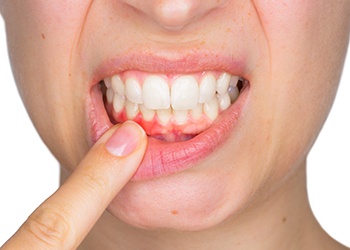
Gum disease is an infection of the gums and supportive tissues. Most of the time, it is caused by plaque and tartar buildup as a result of poor oral hygiene. It can lead to permanent gum damage, tooth loss, and other serious health risks. Here are two different stages of gum disease:
- Gingivitis: This is the earliest stage of gum disease. It can usually be reversed by improving your dental hygiene routine and seeing your dentist for regular cleanings and checkups.
- Periodontitis: This is the more advanced stage of gum disease. At this severity, it can only be managed, not cured. However, management is needed to prevent further infection and serious complications, like tooth loss.
There are multiple factors that can increase your risk of developing gum disease. Some of the most prevalent include smoking, chewing tobacco, poor oral hygiene, genetic factors, immune-compromising conditions, medications, and hormonal changes caused by pregnancy.
Symptoms of Gum Disease
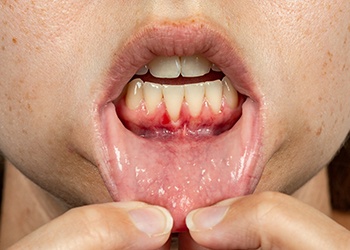
The key to maintaining healthy gums is recognizing the symptoms of gum disease and knowing when change is needed. If you notice any of the symptoms listed below, schedule a visit with us. This way, we can examine your smile and put together a treatment plan that is right for you.
Gingivitis:
- Halitosis (bad breath)
- Bleeding when brushing/flossing
- Red/inflamed gums
- Gum tenderness
- Gum recession
Periodontitis:
- Pain when chewing
- Loose teeth
- Sensitive teeth
- Bite changes
- Tooth loss
How Do We Treat Gum Disease?
Before determining how we will treat your gums, we will need to thoroughly examine your smile to determine the severity of the condition. We will also discuss your symptoms in detail. Then, we will go over your options and put together a plan to meet your needs. Here are the services we offer.
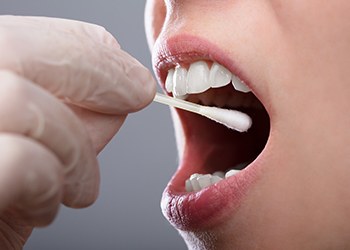 Oral DNA Testing
In order to confirm the presence of gum-disease-causing bacteria in the mouth, we perform an oral swab test in our dental office. This test is the most effective way to prove which specific bacteria are infecting your gums and gives more information in the diagnostic and treatment process of your gum therapy. Testing only takes a few minutes to complete and once performed, we’ll know exactly which bacteria are threatening your oral and systemic health.
 Antibiotic Treatment
Once we’ve completed the Oral DNA testing of your gum disease, we can better assess how we will administer your antibiotic therapy. This treatment promotes the healing of your gum tissue once the antibiotic is placed into the pockets that have formed in between your teeth as a result of your gum disease. Since periodontal therapy requires multiple treatments every three to four months, we’ll closely examine your gum tissue to confirm that the antibiotics are working properly.
Scaling & Root Planing
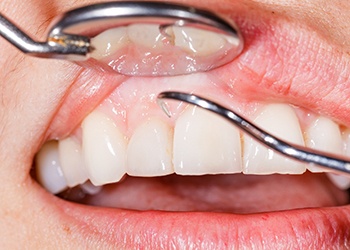
Although the earliest stage of gum disease, gingivitis, can sometimes be halted or reversed by improving your twice-daily at-home dental hygiene routine to include more consistent flossing, if the infection remains untreated for too long, you might require professional treatment.
Scaling and root planning is the tried-and-true solution for deep cleaning your gums and encouraging your tissues to reconnect with your enamel. Continue reading to learn more about this standard service so you know what to expect!
Do I Need Scaling & Root Planing?
Gum disease often starts out small, but because it doesn’t always exhibit noticeable symptoms right away, it’s often able to progress to more advanced stages. The longer it goes unaddressed, the more likely your tissues are to recede from your enamel, leaving your teeth without a firm enough foundation to remain firmly rooted in place.
Unfortunately, this condition doesn’t typically resolve itself and often requires professional treatment to be resolved. You might require a deep cleaning if you notice the following signs of periodontal problems:
- Bleeding or oozing when brushing or flossing
- Chronic bad breath
- Swollen or puffy connective tissues
- Red or darkened gums
- Sensitivity or tenderness when biting or chewing
- Visible plaque buildup
The Process of Scaling & Root Planing
This process usually requires two separate visits. During your initial appointment, our team will numb your mouth with a local anesthetic, then use specialized dental instruments to scrape away even the most stubborn plaque and tartar, and take the time to reach deep into the pockets of your gums to remove hidden germs. In some cases, we also provide additional antibiotics to help keep harmful microbes at bay while you recover.
Then, we’ll schedule a second visit to gently smooth your enamel, which encourages your gums to reattach to the outer layer of your teeth and prevents bacteria from building new residue deposits.
Aftercare Tips for Scaling & Root Planing
You’ll be medicated during the procedure itself, so you’ll likely still feel numb for a little while afterward. It’s normal to feel a little sore or sensitive once the medications wear off. It’s best to avoid eating anything, especially overly hot foods, to avoid accidentally biting or burning yourself immediately after your procedure.
Then, if you feel tender, it’s often safe to take over-the-counter pain meds, such as acetaminophen or ibuprofen. You can rinse your mouth with salt water to naturally disinfect it for the first few days, then resume brushing and flossing as usual once you feel ready and able to do so.