
Preventive Dentistry – Midland, TX
One-on-One Care That Caters to You

As a small dental office, we do everything we can to make communication a priority for patients. When the time comes for your routine exam and cleaning, we want to make sure that your overall health is given just as much time and dedication as your oral care. The more effectively you can maintain long-term oral health through regular checkups, the better able you’ll be able to protect your overall health as well. If you’re ready to schedule your very first appointment with Dr. Philipps or Dr. Ramos, give our dental office a call for preventive dentistry in Midland, TX!
Why Choose Laura Philipps, DMD for Preventive Dentistry?
- Prioritizes Overall Health as Well as Oral Health
- Provides Oral DNA Oral Cancer Screening
- Promises Personalized, One-on-One Attention for Patients
Dental Checkups & Teeth Cleanings
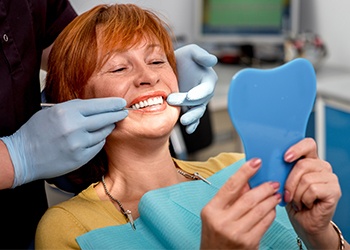
One of the most effective ways to ensure long-term oral health is by maintaining consistent brushing and flossing at home. However, professional exams and cleanings give our dental office a chance to confirm if your at-home care is sufficient and whether you need to make adjustments. In the event that we catch plaque, tartar, or decay, we’ll gently remove it and prescribe additional treatment where necessary to protect your teeth and gums from dental disease.
Learn More About Checkups and Cleanings
Oral DNA Oral Cancer Screening
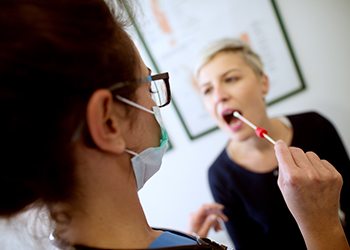
Oral cancer is diagnosed in at least 54,000 people every year, but dentists like Dr. Philipps and Dr. Ramos are in a unique position to catch it sooner, thanks to an advanced Oral DNA screening process. By taking a swab of your saliva, we can confirm the presence of cancer cells in the mouth sooner. The earlier we catch the development of oral cancer, the more successful your future treatments to remove cancer will be.
Fluoride Treatment
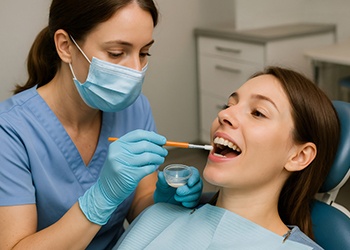
Enamel, the protective outer layer of your teeth, is the hardest substance produced by the human body, but it’s not invincible! It can eventually become demineralized or worn-down, increasing the risk of tooth decay, disease, or physical damage.
Our dedicated team in Midland is happy to provide topical fluoride treatment to help strengthen your enamel and improve your dental health. Continue reading to learn more about this standard service and why it might be recommended during your routine appointment!
What is Fluoride?
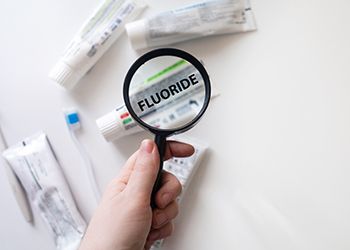
Fluoride is a naturally occurring mineral that’s often found in soil and water sources. Ultra-high doses can potentially cause mottling of the enamel or weaken teeth and bones, but thankfully, most people aren’t exposed to enough of this ingredient to be concerned with potential side effects.
For instance, safe amounts of fluoride are often included in toothpaste to help strengthen enamel or added to public drinking water as a preventive measure to reduce a population’s risk of developing widespread dental decay. The amount included in topical dental applications is minimal and is therefore also considered perfectly safe for most people.
How Does Fluoride Treatment Work?
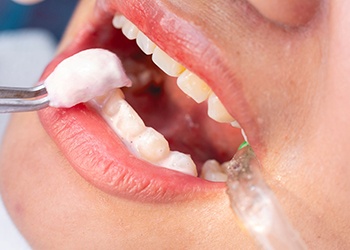
Our team can apply safe amounts of fluoride directly to your teeth as a gel or foam that’s often given a minty or fruity flavor to make it more palatable. This varnish includes enough of the mineral to help strengthen your enamel without causing potential complications. This can often be a simple and effective way to strengthen enamel before you develop decay, chips, cracks, breaks, or other issues.
It takes about 30 to 60 minutes for the active ingredients to take effect, so you may be asked to avoid eating or drinking for an hour or two to give the treatment enough time to work. Then, it’s typically safe to resume your usual activities and eating habits.
Who Benefits from Fluoride Treatment?
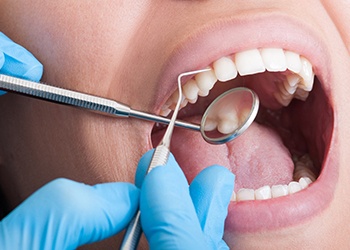
This is a standard preventive service that’s often offered to children during routine pediatric dental examinations, but it’s known to benefit patients of all ages, genders, and walks of life. We might recommend this service after a routine examination and cleaning to improve your dental health, especially if we find areas of enamel that are thinner or depleted of nutrients.
We might also suggest this for patients with different medical circumstances, such as those with diabetes or who are pregnant, that can increase the risk of cavities.
Nightguards for Bruxism
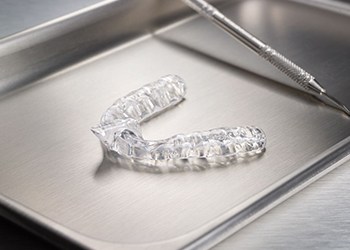
Many people don’t realize they have a teeth grinding or clenching problem until a dentist performs an examination of their mouth. When teeth have become eroded over time, even stellar at-home oral care cannot protect you from bruxism. The best way to combat this condition is to wear a preventive nightguard, which provides a cushion from chronic grinding and clenching. It’s referred to as a nightguard because bruxism symptoms typically occur at night during sleep, which is when you’ll need to wear the oral appliance.
What Is Bruxism?

Bruxism is the medical term for teeth grinding and clenching. It can have a variety of causes. For example, it may be related to a stressful lifestyle, a misaligned bite, or other dental problems. Left unchecked, it can erode your enamel or even lead to chips and cracks over time.
Bruxism often occurs at night. However, some individuals also engage in it during their waking hours.
Customized Vs. Store-Bought Nightguards
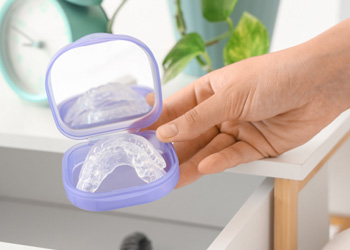
A nightguard resembles a mouthguard that you would wear for sports. However, instead of protecting you from impacts, its job is to place a cushion between your upper and lower teeth.
You could purchase a nightguard over the counter; many brands make them. However, their lack of customization poses a big problem. They may be very uncomfortable to wear, and the level of protection they provide may be limited. In some cases, they might trigger problems within the facial muscles or jaw joints.
In contrast, a custom nightguard from a dentist is made to fit your unique mouth. These tend to be more comfortable, more effective, and safer for your overall wellness than OTC options.
The Process of Getting a Nightguard
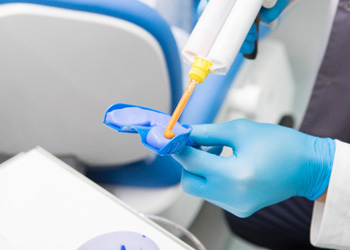
If you believe you could benefit from a nightguard, visit our Midland team for a consultation. We will evaluate your bite, assess the condition of your teeth, and recommend your next steps.
If it looks like a nightguard would work for you, we will take impressions of your teeth. We will send the impressions to a trustworthy lab, who will then fabricate your custom appliance. When you return to our office, we will verify its fit. You should wear it every night as directed by our team and attend all recommended follow-up appointments. If you ever run into any issues with it, be sure to contact us.
The Benefits of Getting a Nightguard for Bruxism

A nightguard for bruxism has the potential to provide many benefits:
- Reduced risk of premature wear and tear on your enamel, chipped teeth, and other issues.
- Reduced dental expenses due to lower risks to your oral health.
- Fewer problems with your facial muscles and jaw joints.
- Less frequent headaches.
Caring for Your Nightguard
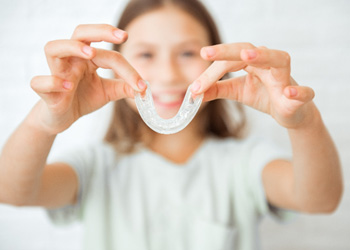
Caring for a nightguard is easy! Follow these simple tips:
- Thoroughly rinse your appliance before and after each use. Be sure to use cool or lukewarm water — hot water could cause warping.
- Let the nightguard air dry after you rinse it each morning.
- Regularly brush your nightguard with a soft toothbrush and mild, uncolored soap.
- Always store it in its case when it is not in use.
- Keep it out of reach of curious pets and small children.
With proper care, your nightguard may last a few years (though heavy bruxers might need to replace theirs sooner).