
Fixing a Gap Between Two Front Teeth
August 27, 2026
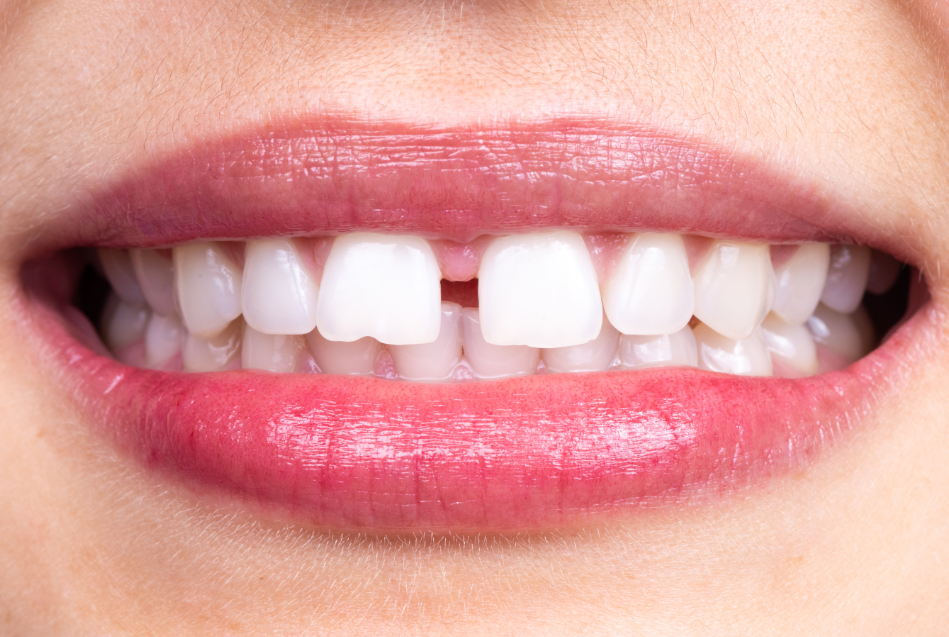
Have you ever looked in the mirror and wondered whether there’s a way to close the gap between your two front teeth? You’re not alone! A noticeable space between teeth is common, and while some people love the distinctive character it gives their smile, others would prefer a more uniform appearance.
The good news is that a gap between your front teeth, known as a diastema, can often be treated with cosmetic dentistry. Understanding why the gap exists is the first step toward finding the right solution.
What Is a Diastema?
A diastema is a space or gap between two teeth. Although a gap can occur anywhere in the mouth, the term is most commonly associated with the space between the two upper front teeth.
Diastemas can develop for several reasons. In some people, the gap is simply a natural characteristic of their smile. In others, the size or shape of the teeth, differences between tooth and jaw size, or the tissue connecting the upper lip to the gums can contribute to the space.
Certain habits or oral health concerns may also play a role. Because there can be several possible causes, a dental evaluation is important before deciding how to close a gap.
Can Cosmetic Dentistry Close a Diastema?
Depending on what is causing your gap and the appearance you want to achieve, cosmetic dentistry may offer an effective solution. Treatment should always be customized to your individual smile rather than taking a one-size-fits-all approach.
Here are some cosmetic options that may be available:
Dental Veneers
Veneers are thin restorations designed to improve the appearance of teeth. They can change the shape and size of teeth, which may help minimize the appearance of a gap between the front teeth.
Veneers can also address other cosmetic concerns at the same time, such as discoloration or irregular tooth shape. Your dentist can determine whether they are appropriate for your particular smile.
Dental Bonding
Cosmetic dental bonding uses tooth-colored material to alter the shape of a tooth. When appropriate, bonding can add material to the sides of teeth adjacent to a gap, making the space less noticeable.
One advantage of bonding is that it can be a relatively conservative cosmetic treatment. However, whether it is the best choice depends on factors such as the size of the gap and the condition of your teeth.
Why Should a Dentist Evaluate a Gap?
Not every diastema needs treatment. If the gap has always been present and isn’t causing functional or oral health problems, you may simply choose to leave it alone.
However, a gap that develops or changes over time deserves professional attention. Changes in tooth position can sometimes be associated with gum disease or other underlying issues. A dentist can examine your teeth and gums, determine what may be contributing to the space, and discuss whether cosmetic treatment makes sense.
It’s also important to remember that closing a gap cosmetically isn’t necessarily the same thing as addressing its underlying cause. Treating the reason behind the diastema may be an important part of achieving a lasting result.
A Gap Doesn’t Have to Define Your Smile
Whether you want to embrace your diastema or explore ways to change it, you have options. With a professional evaluation and a personalized cosmetic treatment plan, you can find an approach that fits your oral health and smile goals.
Your smile is yours to customize, and a consultation is the perfect place to start exploring what’s possible.
About the Practice
Dr. Laura Philipps, DMD, provides comprehensive dental care with a focus on helping patients achieve and maintain healthy, confident smiles. The practice offers cosmetic dentistry services designed to address a variety of aesthetic concerns and create treatment plans tailored to each patient’s individual needs.
Call us at (432) 570-4433 or schedule your appointment online.
No Comments
No comments yet.
RSS feed for comments on this post.
Sorry, the comment form is closed at this time.